
发布时间:2026-05-16 09:05:40
鼓式转移机和堆垛机使职业可以以更低的体力劳动强度和危险来处理高重量的桶和容器。本文介绍了中心设备类型、其组件以及它们如何在实践工厂和库房中操控负载和重心。然后,它查看了安全操作程序,包含运用前查看、溢出操控以及由数字查看表和监控支撑的操作员培训。最终,它详细介绍了预防性保护、电动堆垛机的结构化毛病排除以及实施可靠、合规的桶处理体系的有用攻略。
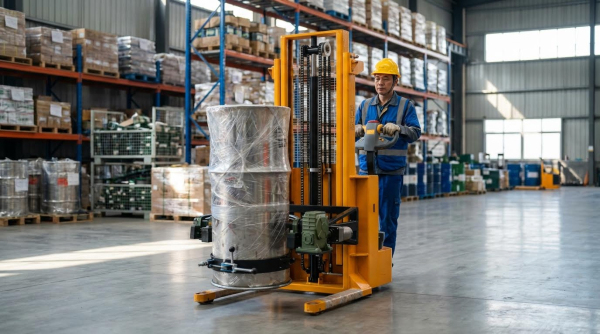
滚筒提高机和堆垛机的中心功用是通过操控力和可重复的精度来提高、运送、定位和堆叠重型滚筒。这些设备替代了手动操作,然后减少了工人露出于肌肉骨骼损害、挤压危险和化学触摸的危险。现代规划支撑化工厂、库房和配送中心的高通量操作,一起契合安全法规。
桶类处理设备 历史上包含 桶类手推车、液压桶类升降机滚筒卡车和滚筒旋转机。滚筒手推车和卡车首要用于在库房和装卸区短距离水平移动滚筒。液压滚筒升降机添加了笔直提高才能,使操作人员可以将滚筒提高到托盘、平台或工艺进口。旋转机和歪斜机用于操控倾倒或倒置滚筒,以倾倒液体或向混合器和反应器加料。化学出产、涂层、食品成分和废物办理等职业运用这些升降机在贮存、工艺线和装运区域之间移动装满的钢或塑料滚筒。堆垛机扩展了这一功用,将滚筒提高到货架水平,提高了高架贮存的利用率。
液压滚筒升降机运用刚性焊接框架,通过轮子或支腿将滚筒的所有载荷传递到地板上。液压回路由手动或电动泵操作,将低操作员尽力转化为高提高力。提高车架或摇篮连接到液压缸,并将笔直运动转化为滚筒提高。可调理夹具、皮带或摇篮触摸滚筒外壳,避免运送过程中打滑、旋转或掉落。堆垛机配备了带有滚轮和通道的门架组件,以引导车架并在负载下坚持对齐。确定组织和溢流阀保护液压体系免受意外开释和过度压力。这些元素的共同术语支撑明晰的保护和查看程序。
每个提高机或堆叠机都有额外容量,一般与常见的桶质量加上安全裕度相匹配。操作人员有必要将设备容量与桶的实践重量(包含液体内容物和任何残余物)相匹配。稳定性取决于桶的重心、轮距和门架高度之间的关系。随着提高高度的添加,倾覆力矩也会添加,特别是在加速、制动或转弯时。正确规划的提高机运用宽基、低置的配重和操控的提高速度,以坚持安全的稳定性三角形。夹具和支架旨在使桶轴线坚持笔直或在规定的歪斜角度,以减少液体桶中的动态晃动。明晰的容量标签和图表协助操作人员避免超载和偏疼吊取,然后不超过规划极限。
鼓式升降机和堆垛机越来越多地与其它物料处理体系接口,以支撑主动化流程。叉车安装的鼓式附件将规范叉车改装成没有专用单独设备的滚筒处理机。在主动化库房中,AGV将滚筒运送到托盘或定制装置上,然后运送到固定的滚筒升降站进行笔直转移。协作机器人单元运用协作机器人来操作夹具、操作操控面板或定位软管,一起人类监督危险使命,如化学滚筒倾倒。集成需求规范化的接口,例如叉袋、牵引点或用于状况信号和联锁的数字I/O。升降机上的传感器,包含位置开关和过载指示器,向更高层次的操控体系供给反应。这种连接性使得协调速度限制、区域操控和在滚筒未正确固定或产生毛病时主动停机成为或许。
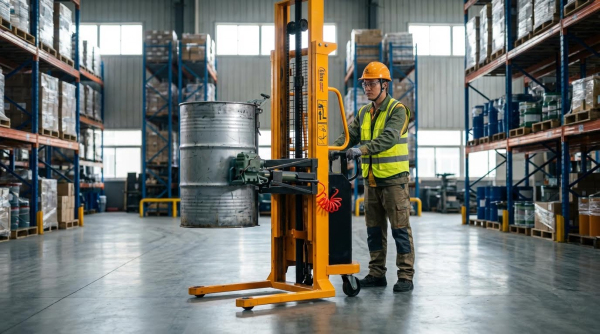
保证滚筒提高机和堆垛机的安全运行依赖于结构化的预运用查看、正确的操作技术和严厉的文档记载。将这些实践嵌入日常作业中设备减少了损伤率、设备毛病和非方案停机时刻。以下末节概述了一个契合典型监管预期的有用框架,一起适用于化工厂、库房和制造现场。
操作人员在对任何滚筒提高器或堆垛机通电或移动之前,首要进行了外观查看。他们查看了框架、桅杆、叉子、夹具和滚筒支架是否有裂纹、变形、腐蚀或焊缝损坏。车轮、滚轴和轮胎有必要可以自由旋转,没有扁平斑块、缺失的紧固件或或许导致牵引力下降的油污。液压体系需求查看软管、接头、缸体和泵壳的走漏状况,并验证保护罩和软管安置的完整性。
目视查看还涵盖了指示灯、紧迫中止按钮、喇叭和电动或液压堆垛机上的极限开关。操作人员承认就位传感器、分配器指示器和安全联锁装置按手册规定正常作业。然后进行简略的无负载功用测试,验证提高、下降、歪斜、旋转和行走功用,查看是否有反常噪音、振荡或延迟响应。任何反常都会触发确定、记载并开具修理工单,而不是继续运用。
正确的桶固定关于稳定性和防溢操控至关重要。操作人员将桶彻底置于夹具或支架内,然后收紧可调理夹具、皮带或钳口,直到桶在轻摇时不再摇晃。他们承认机械锁或液压固定阀已接合,并且桶中心线与设备的额外载荷轴对齐。关于旋转器或倾卸器,他们在提高前承认确定销或旋转锁已彻底就位。
游览途径有必要坚持清洁、枯燥,无碎片、急转弯或地板缺点,这些缺点或许会使提高的滚筒不稳定。设备标记了指定的滚筒路线,保证有足够的通道宽度、转弯半径和斜度限制,契合设备手册的要求。操作人员以低速行驶,避免忽然启动、中止和急转,并将滚筒尽量放低以下降重心。溢漏应急包、围护托盘和紧迫排水方案支撑在滚筒走漏或倾倒时快速响应。
操作桶式提高机和堆垛机的人员根据所处理的材料和现场危险评估,佩戴了与使命相适应的个人防护配备(PPE)。典型的基线保护包含具有脚趾保护的安全鞋、高可见度服装和具有适当握力的防护手套。化学桶需求额外的保障措施,例如防溅护目镜或面罩、化学耐受手套,以及在某些状况下呼吸防护配备。PPE的选择遵循安全数据表和当地的职业健康法规。
只要经过培训和授权的人员才能运用桶处理设备。培训内容包含负载图表、额外容量、重心效应以及每种类型的特定操控和联锁装置。复习课程强化了危险辨认、未遂事情报告以及恪守现场交通规则。合规方案参阅了与OSHA或区域同类规范适当的规范,将桶处理纳入更广泛的材料处理和危险物质办理程序中。
数字查看清单替代了许多设备中的纸质表格,以规范化查看并减少遗漏过程。平板电脑或手持设备的应用程序引导操作人员完结结构性完整性、液压体系、制动器、指示器和夹具等强制性项目,强制在设备放行前完结。时刻戳、操作员ID和照片附件创建了可审阅的记载,支撑法规合规性和内部安全审计。当查看发现缺点或接近预定保护距离时,主动警报告诉修理团队。
数据记载逾越了查看,用于捕捉电动堆垛车和卷筒升降机的运用小时数、提高次数、超载事情和毛病代码。工程师分析这些数据集,以辨认高毛病组件并优化预防性保护距离。新兴的基于人工智能的体系处理振荡、温度和液压压力信号,以检测前期的磨损或错位形式。这种猜测办法减少了意外毛病,提高了可用性,一起在坚持安全运营的一起支撑生命周期本钱操控。
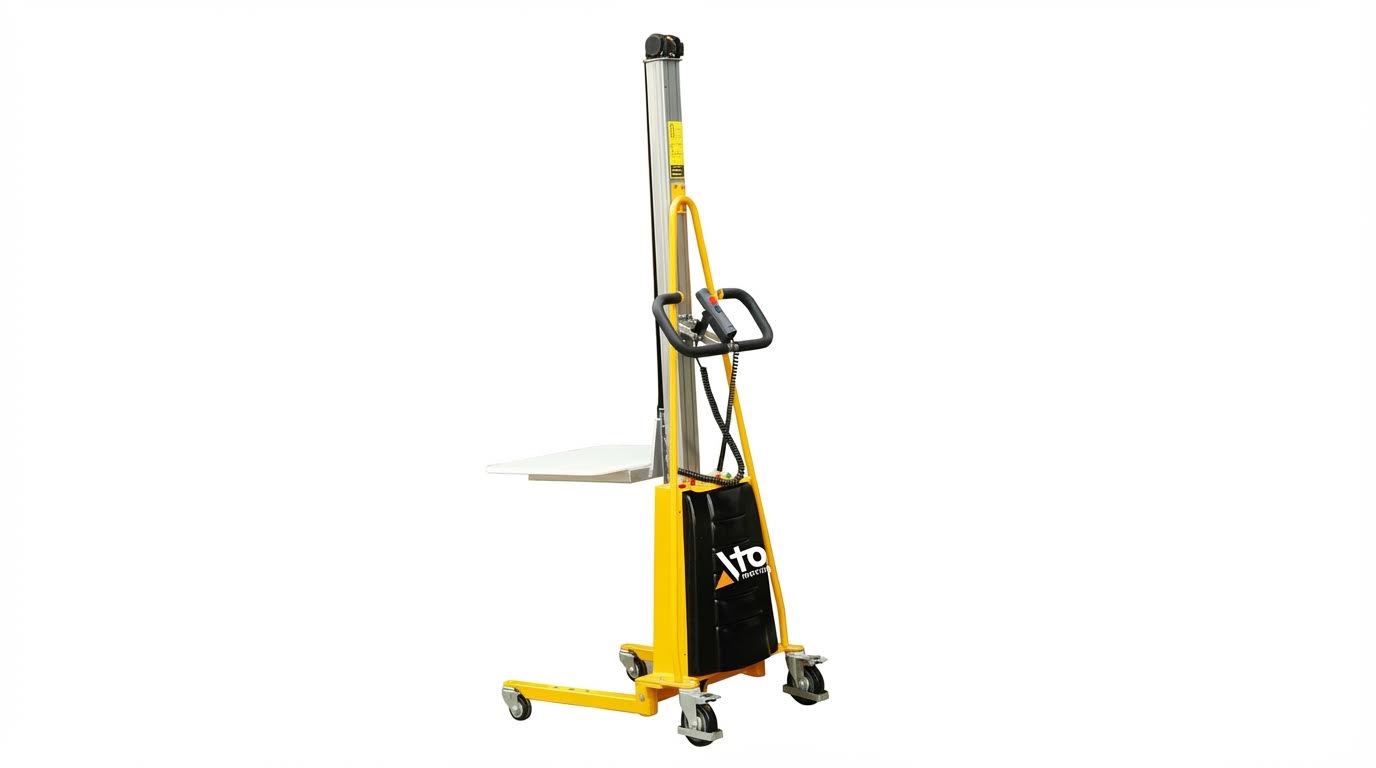
每日清洁消除了影响滚筒提高器和堆叠机的残留物。操作人员擦拭了触摸点、轮子和液压外壳以清除灰尘、集料和产品溢出物。处理混凝土或粘性材料的设备在卸载后当即冲刷滚筒和卸载区域,以避免硬性堆积。这种做法坚持了内部体积并避免了不平衡的旋转质量。
Corrosion control focused on moisture management and chemical exposure. Technicians inspected painted and plated surfaces around frames, clamps, and mast bases for rust, then treated and recoated affected areas. Plants storing corrosive chemicals kept drum handling equipment in segregated, dry, well‑ventilated areas to protect metal and polymer components. They also avoided storing equipment in cramped spaces where impacts and scratches accelerated corrosion.
Structured storage practices reduced long‑term degradation. Sites used dedicated racks or parking zones to keep drum lifters upright, with masts fully lowered and forks or cradles grounded. Before storage, operators cleaned equipment, checked for leaks, and tagged units needing repair. For extended idle periods, they performed a final comprehensive wash, dried exposed surfaces, and, where applicable, disconnected or maintained batteries according to manufacturer guidance.
光滑体系针对滚筒、塔架通道、枢轴销和链体系。保护团队仅在清洁外表涂抹兼容的光滑脂或油,避免灰尘或硬化产品引起的磨损性污染。滚筒和滚道的每月光滑减少了冲突,改进了跟踪,并延长了轴承寿命。避免了过度光滑,因为过多的光滑脂会吸引污染物并掩盖前期磨损指示。
Hydraulic systems required routine checks for leaks, pressure stability, and fluid condition. Technicians inspected hoses, fittings, cylinders, and pumps for sweating, drips, or damaged outer sheaths. They monitored oil levels and temperature, replacing fluid that appeared milky, dark, or contaminated. Abnormal pump noise, slow lifting, or pressure spikes often indicated worn gear pumps, faulty seals, or partially blocked lines that demanded prompt corrective action.
Structural inspection focused on frames, masts, forks, drum cradles, and welds. Visual checks looked for cracks, deformation, corrosion pitting, and elongation at pin holes. On stackers, inspectors examined lift chains, guide rollers, mast rails, and attachment points for misalignment or excessive wear. Any defect affecting load path integrity triggered immediate tagging out, documentation, and a work order, aligning with safety and regulatory expectations.
Systematic diagnosis of electric stacker faults started with basic power and safety circuits. Technicians verified battery voltage, connector integrity, and fuse condition before investigating complex faults. Low voltage often caused reduced drive speed, sluggish lifting, or controller errors. Restoring charge, cleaning terminals, or replacing weak batteries resolved many symptoms without invasive work.
Hydraulic performance issues required targeted checks. Failure to lift, slow lifting, or drifting forks indicated worn pumps, misadjusted relief valves, internal cylinder leakage, or contaminated oil. Maintenance teams listened for pump noise, measured lift speed, and checked for external leaks around valves and cylinders. They bled air from systems, replaced damaged seals, and readjusted pressure settings within manufacturer limits.
Drive and steering faults often traced to motor, brake, or control component problems. Symptoms like erratic motion, no travel, or unusual noises prompted checks of micro switches, contactors, brake clearances, and gearboxes. Technicians isolated mechanical from electrical causes by freewheeling tests and component substitution where safe. All abnormal conditions, including intermittent issues, were documented with photos and fault descriptions to support traceable repairs.
Lifecycle cost control relied on preventive strategies instead of reactive repairs. Facilities tracked scheduled cleaning, lubrication, and inspection tasks to reduce unplanned downtime and extend equipment life. They compared the cost of routine maintenance against expenses from failures, such as damaged drums, spill cleanup, and lost production. Data consistently showed that early intervention delivered lower total ownership cost.
Reliability metrics gave objective feedback on maintenance effectiveness. Common indicators included mean time between failures, maintenance cost per operating hour, and availability percentage. Teams analyzed recurrent faults by component class, such as hydraulics, electrics, or structures,
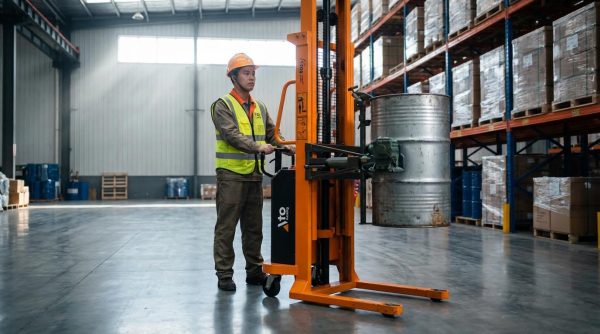
Safe, efficient drum handling depended on aligning equipment capability, operating discipline, and maintenance quality. Drum lifters and stackers provided controlled lifting, rotation, and positioning of heavy, often hazardous contents, but only when operators respected rated capacity, center-of-gravity limits, and the specific design envelope of each device. Hydraulic lifters, electric stackers, and integrated systems with forklifts or AGVs all required pre-use inspection of clamps, masts, hydraulics, and controls to prevent loss of load, tip-over, or uncontrolled motion.
Industry practice showed that preventive maintenance delivered the best lifecycle economics. Daily cleaning, corrosion control, and correct storage limited degradation of wheels, clamps, and hydraulic components. Scheduled lubrication and structural inspections reduced unexpected failures and supported compliance with occupational safety regulations. Systematic diagnosis of electric stacker faults, including drive, lift, and electrical issues, minimized downtime and avoided unsafe improvisation.
Practical implementation worked best through standardized procedures. Facilities benefited from written SOPs for pre-use checks, drum securing, travel routes, and spill prevention, supported by PPE requirements and documented operator training. Digital checklists, data logging, and, where available, AI-based condition monitoring improved traceability and helped detect early trends such as recurring hydraulic leaks or overload events. A balanced strategy combined robust mechanical design selection, realistic capacity planning, and disciplined maintenance, enabling drum handling systems to operate safely, support regulatory compliance, and maintain predictable lifecycle costs as technologies and automation levels evolved.